Understanding the Exposure Triangle | The Next Step in My Photography Journey
After I finally started to get to grips with focus, I thought I was on a roll. My images were becoming sharper, I felt more in control of my camera, and for the first time, I could actually see real progress in my photography.
One thing that kept cropping up in my research for crystal clear photography was - exposure or more specifically, the exposure triangle.
What Is the Exposure Triangle?
When I first heard the term “exposure triangle,” I instantly felt overwhelmed. It sounded technical, complicated, and honestly a little intimidating.
In simple terms, the exposure triangle is made up of three camera settings that work together to control the brightness and overall exposure of your image:
Aperture
Shutter Speed
ISO
At the time, I knew what each setting did individually, but I didn’t understand how they worked together. That was where the confusion started.
I would adjust one setting to fix a problem, only to create another issue somewhere else in the image. Photography felt like a constant balancing act.
Learning the exposure triangle is one of the most important steps for any beginner photographer, and it completely changed the way I approach family and newborn photography today.
Aperture: The Setting I Thought I Understood
Like many beginner photographers, aperture was the first camera setting I fell in love with.
I adored those beautiful blurry backgrounds and dreamy portraits that made professional family photography look so magical. Aperture felt easy to understand:
Low f-number = blurry background
High f-number = more of the image in focus
Simple, right?
So naturally, I shot everything at f/1.8 and while the backgrounds looked gorgeous, I quickly realised I was making things harder for myself. With children constantly moving and newborns gently wriggling, my depth of field was often too shallow. I was missing focus more frequently than I realised.
That was my first lesson in photography balance: just because a setting creates a beautiful effect doesn't mean it's the right choice for every situation.
Why Shutter Speed Changed Everything
The next piece of the puzzle was shutter speed, and this is where things really started to click.
I remember photographing my daughters and wondering why my images looked slightly blurry, even when focus appeared correct.
The problem wasn't focus.The problem was movement. And if you have children, you'll know they rarely sit still for more than a few seconds!
Through practice, I learned some basic shutter speed guidelines for family photography:
1/250 second minimum for active children
Faster shutter speeds for running, jumping, and play
Higher speeds when capturing candid family moments
Suddenly, my photographs became sharper and more consistent.
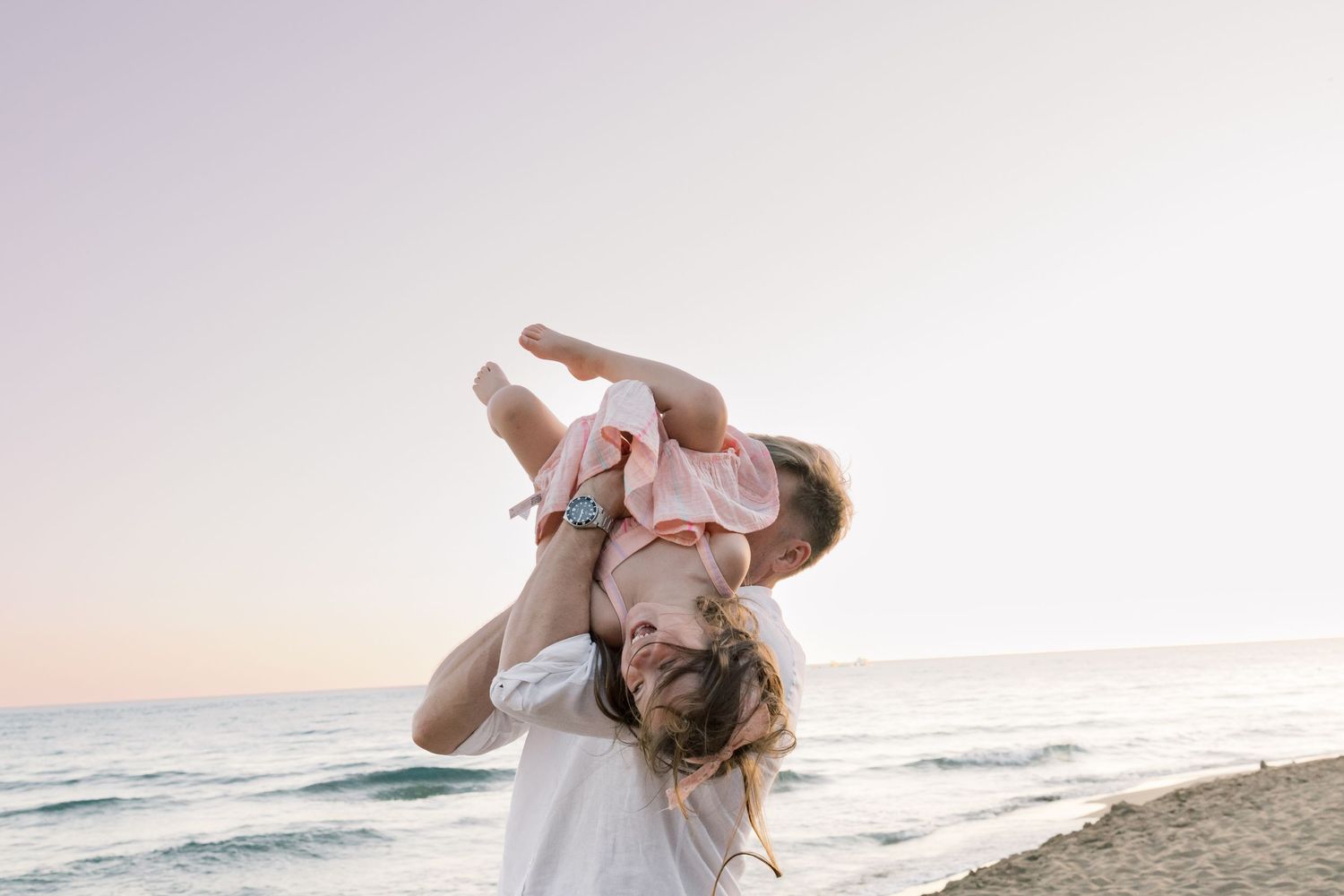
Instead of fighting movement, I learned how to freeze those beautiful moments that parents want to remember forever—the laughter, the running, the spontaneous joy that makes family photography so special.
ISO: The Camera Setting to make EVERYTHING crystal clear
ISO was the setting I feared for the longest time.
Everything I read online seemed to suggest the same thing:
Higher ISO = Noise = Bad Photos
So I avoided increasing my ISO whenever possible.
Instead, I would lower my shutter speed too much or shoot at extremely wide apertures just to keep the ISO low.
Unfortunately, my images suffered because of it.
Eventually, I realised that ISO isn't something photographers should fear—it's simply another tool.
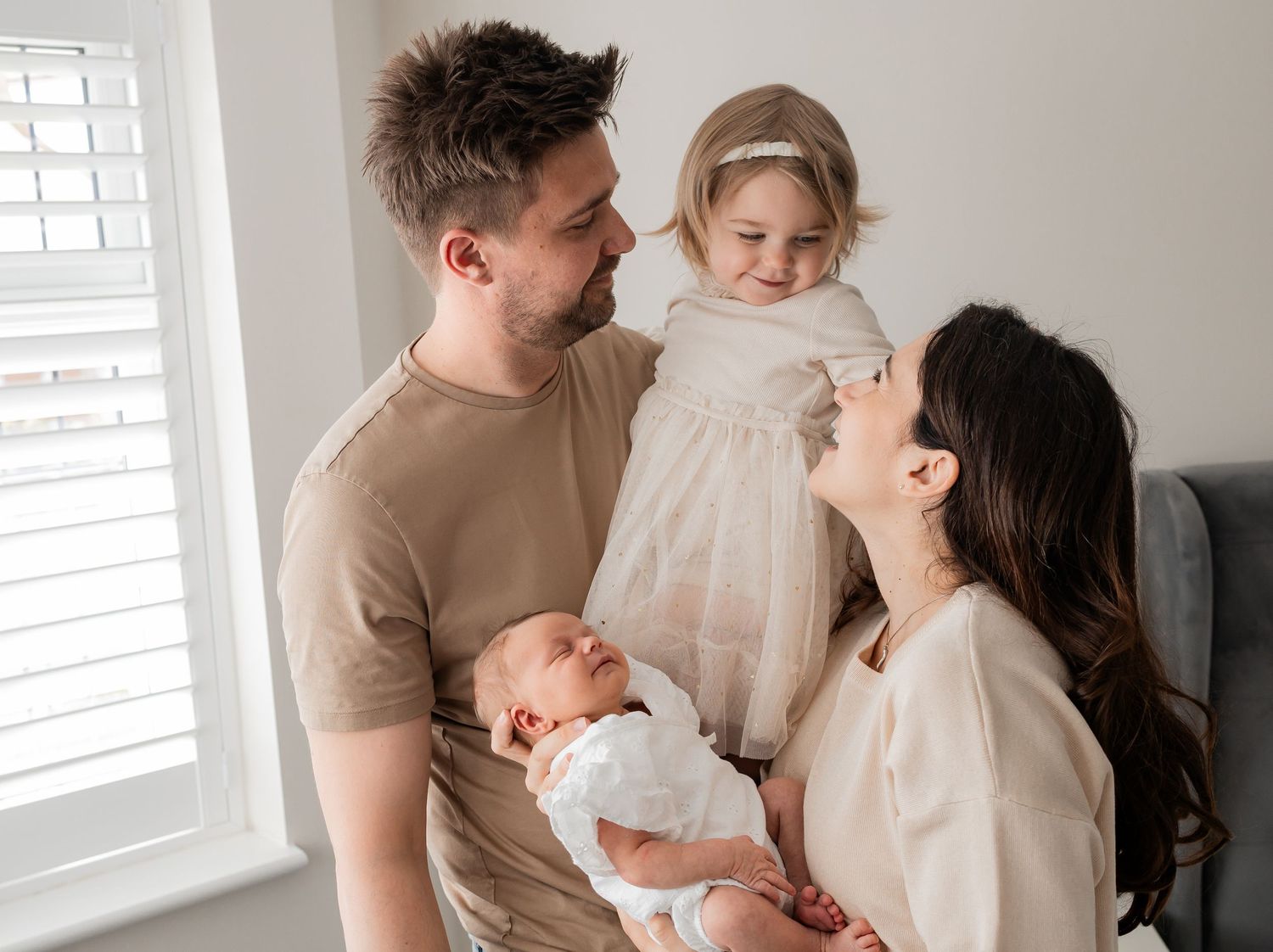
For newborn photography sessions and indoor family shoots where light is limited, ISO became my safety net. It allowed me to maintain a fast enough shutter speed and an appropriate aperture while still achieving the correct exposure.
That shift in mindset made a huge difference to my confidence behind the camera.
When the Exposure Triangle Finally Made Sense
The breakthrough didn't happen overnight.
It happened gradually through practice, family sessions, and countless afternoons photographing my girls.
Slowly, I started to understand how each part of the exposure triangle affected the others.
If I changed my aperture, I needed to think about shutter speed.
If I adjusted shutter speed, I needed to consider ISO.
If I increased ISO, I needed to reassess the entire image.
Eventually, the exposure triangle stopped feeling like three separate settings and started feeling like one connected system.
That was the moment photography became intentional rather than accidental.
Instead of guessing, I started making deliberate creative choices—and producing images I was genuinely proud of.
The Reality of Learning Photography
If I'm completely honest, there are still moments when photography feels overwhelming.
There have been sessions where nothing seemed to go right. Lighting changed too quickly, camera settings felt confusing, and I drove home hoping I had captured enough beautiful images for my clients.
But every session taught me something.
Every underexposed image.
Every blown highlight.
Every blurry frame.
Each mistake became part of the learning process.
And over time, those lessons added up.
My Advice for Beginner Photographers
If you're currently learning photography and the exposure triangle feels confusing, you're not failing.
You're learning.
Every photographer you admire has been exactly where you are—experimenting with settings, making mistakes, and wondering why certain images didn't turn out as expected.
The difference isn't talent.
It's practice.
YouTube tutorials became one of my best learning resources. I would watch videos repeatedly, practise what I'd learned, return to the tutorial, and practise again.
Progress came slowly, but it came.
You don't need to master photography overnight.
You simply need to keep showing up and keep taking photographs.
My Photography Journey Continues
Looking back, understanding the exposure triangle was one of the biggest turning points in my photography journey.
I'm still learning every single day—and honestly, I think that's one of the most rewarding parts of being a photographer.
There's always something new to discover.
Now... onto mastering lighting!